
Reading time: Four minutes.
Jaw pain, swelling, and limited jaw movement are common after wisdom teeth removal. These symptoms are part of the normal healing process as the body forms a blood clot and begins repairing the surgical sites. Knowing what changes to expect in the first few days can help you recover safely and avoid complications.
Table of Contents
- What You Can Expect After Wisdom Teeth Removal
- The First 24 to 72 Hours After Surgery
- Eating and Drinking After Wisdom Teeth Removal
- Oral Hygiene During Recovery
- Activity Restrictions and Recovery Timeline
- Possible Complications to Watch For
- Wisdom Teeth Removal in Deer Park, IL
- FAQs
What You Can Expect After Wisdom Teeth Removal
Most patients experience swelling, mild to moderate pain, and limited jaw movement for several days. These symptoms usually peak within 48 to 72 hours and then gradually improve. Following post‑operative instructions is essential to protect the blood clot and avoid complications such as dry socket.
The First 24 to 72 Hours After Surgery
The initial healing phase is when most symptoms are noticed. These changes are expected and manageable with proper care.
Pain and Swelling
Discomfort begins as local anesthesia wears off. Swelling often increases on the second and third day before slowly resolving.
- Take prescribed or recommended pain medication as directed
- Apply ice packs to the outside of the face during the first 24 hours
- Keep your head elevated while resting
If Exparel was used, it slowly releases anesthetic over several days to provide extended local pain relief after surgery.
Bleeding and Blood Clot Formation
Light bleeding or oozing is common on the day of surgery.
- Bite gently on gauze as instructed
- Avoid rinsing, spitting, or suction
- Protecting the blood clot is critical for proper healing
Eating and Drinking After Wisdom Teeth Removal
Diet plays an important role in recovery and clot stability.
Safe Foods to Eat After Wisdom Teeth Removal
Choose foods that are soft, easy to swallow, and gentle on the surgical sites. Foods should be lukewarm or cool during the first few days, since hot temperatures can increase bleeding and disrupt the blood clot.
Here are a few great options:
- Yogurt, applesauce, pudding
- Mashed potatoes or mashed vegetables
- Scrambled eggs
- Oatmeal or cream of wheat
- Lukewarm blended soups
- Cottage cheese or soft pasta
What to Avoid
Avoid anything that can disturb the site, such as:
- Hard, crunchy, or chewy foods
- Hot beverages during the first few days
- Carbonated drinks and alcohol
- Using a straw or suction of any kind
Stay well-hydrated to support healing and reduce irritation.
Oral Hygiene During Recovery
It is essential to keep the mouth clean without disturbing the surgical sites.
- Brush the rest of your teeth normally, but avoid direct contact with the extraction areas
- Do not spit forcefully, especially during the first 24 hours
- Avoid vigorous rinsing during the first day
- After 24 hours, gently rinse with plain water or a saltwater solution after meals
- From day 3 onward, use a water syringe to gently rinse the extraction sites
- Do not use straws during early healing
- Avoid smoking or vaping, as suction and nicotine delay healing
Activity Restrictions and Recovery Timeline
Rest is important in the days following surgery.
- Avoid strenuous activity for at least 72 hours
- Gradually resume normal activities as swelling and pain improve
- Excess activity too early can increase bleeding and swelling
Possible Complications to Watch For
Wisdom teeth removal is predictable, but complications can occur during healing. Contact your oral surgeon if symptoms do not improve or begin to worsen.
- Dry socket: Develops when the blood clot is lost too early, exposing bone and causing increasing pain several days after surgery, often with an unpleasant taste or odor.
- Bone spicules: Small bone fragments that may surface through the gum during healing. They can feel sharp but are usually minor and easily managed if they cause irritation.
Contact your oral surgeon if you experience:
- Persistent or heavy bleeding
- Swelling that worsens after several days
- Fever or signs of infection
- Severe pain not controlled with medication
- Difficulty swallowing or breathing
Wisdom Teeth Removal in Deer Park, IL
If you are concerned about healing after wisdom teeth removal or are unsure whether your recovery is progressing normally, contact your oral surgeon for evaluation and guidance.
To book an appointment at our oral surgeons office in Deer Park, IL, call (847) 381-0106 or visit us at 21660 W. Field Parkway, Suite 220, Deer Park, IL.
FAQs
Avoid edibles for at least 24 hours after surgery. Edibles can interfere with prescribed pain medications and may increase nausea, which can disrupt the blood clot.
We recommend not vaping for at least 72 hours. Nicotine and suction increase the risk of dry socket and delayed healing.
You can eat soft foods once numbness wears off. Most patients gradually return to a normal diet within 5 to 7 days, depending on comfort and healing.
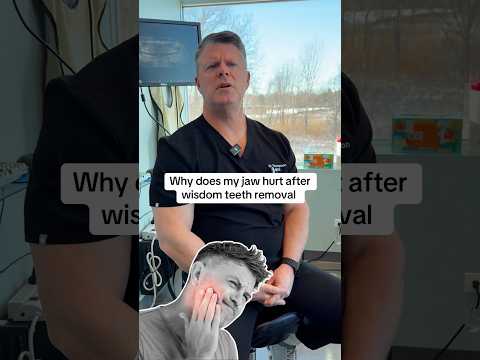
Jaw pain is common after wisdom teeth removal due to muscle stretching during surgery and temporary inflammation around the jaw joint. Stiffness and soreness usually improve within several days as swelling decreases and normal jaw movement returns.


